

-
 admin
- 23rd October 2026
Which Industries Benefit Most from Electric Forklifts
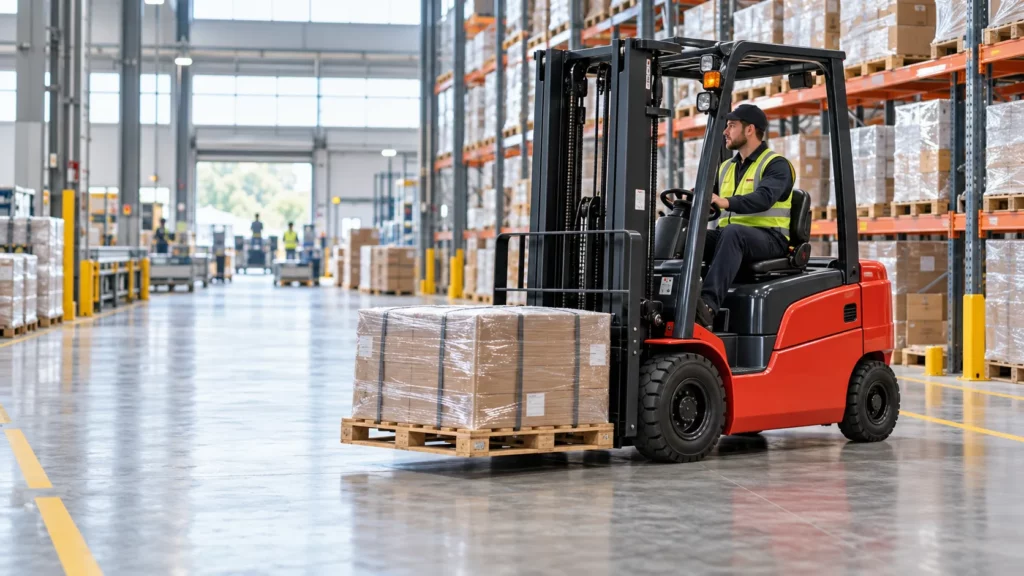
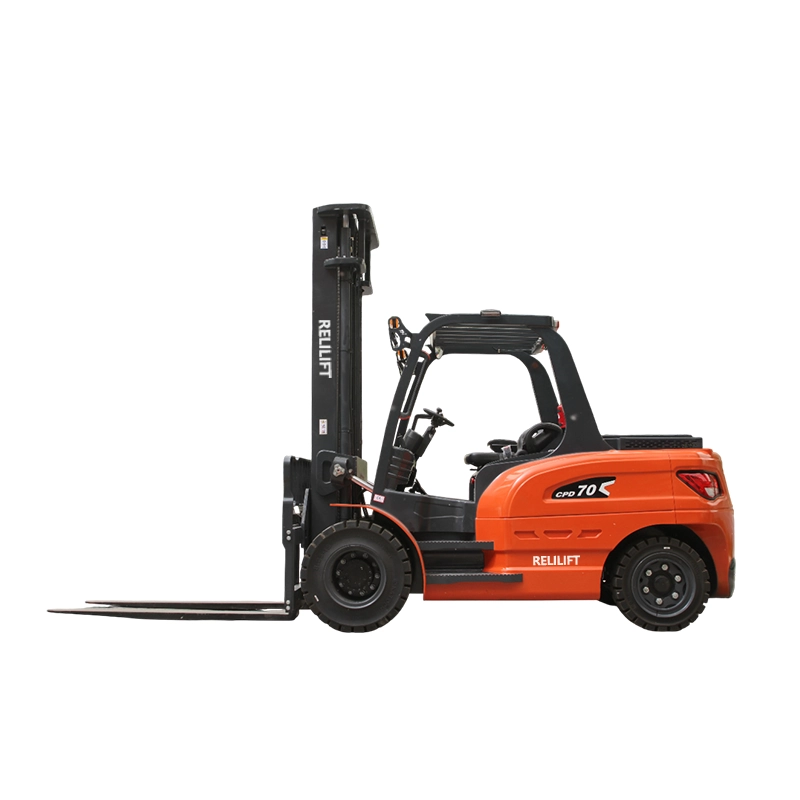
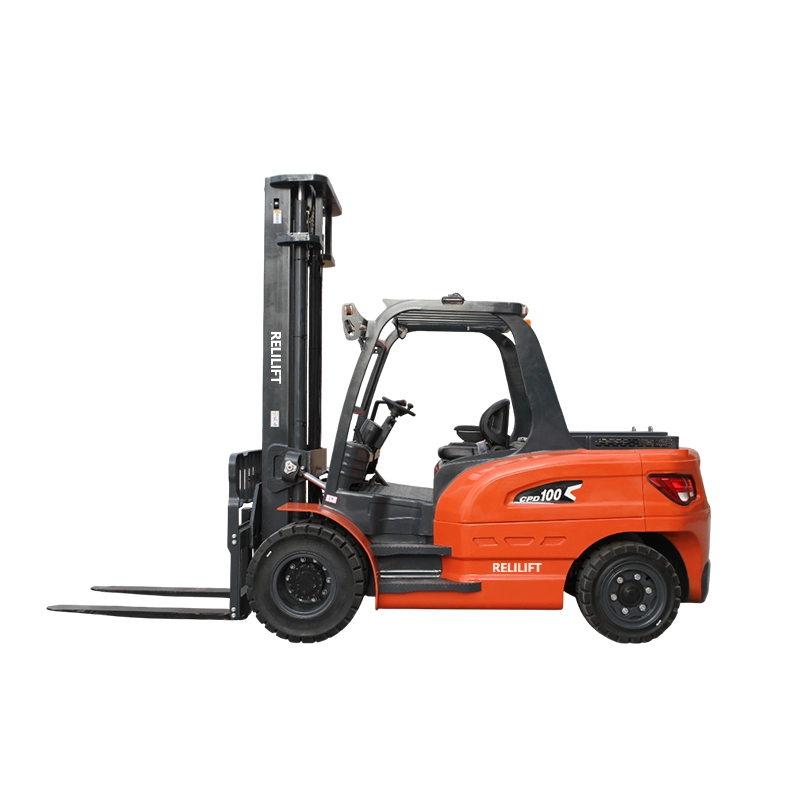
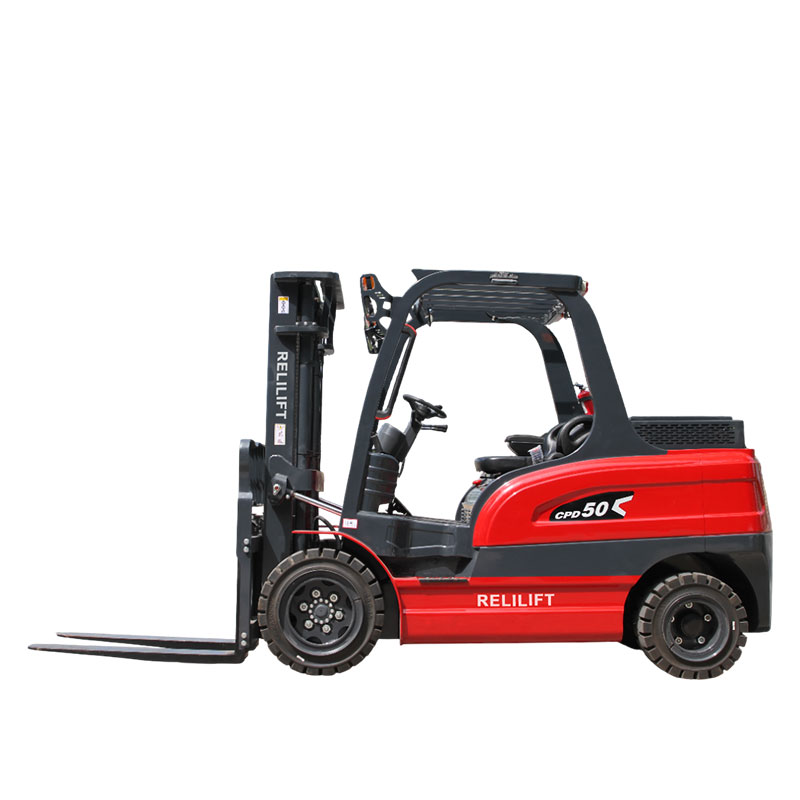
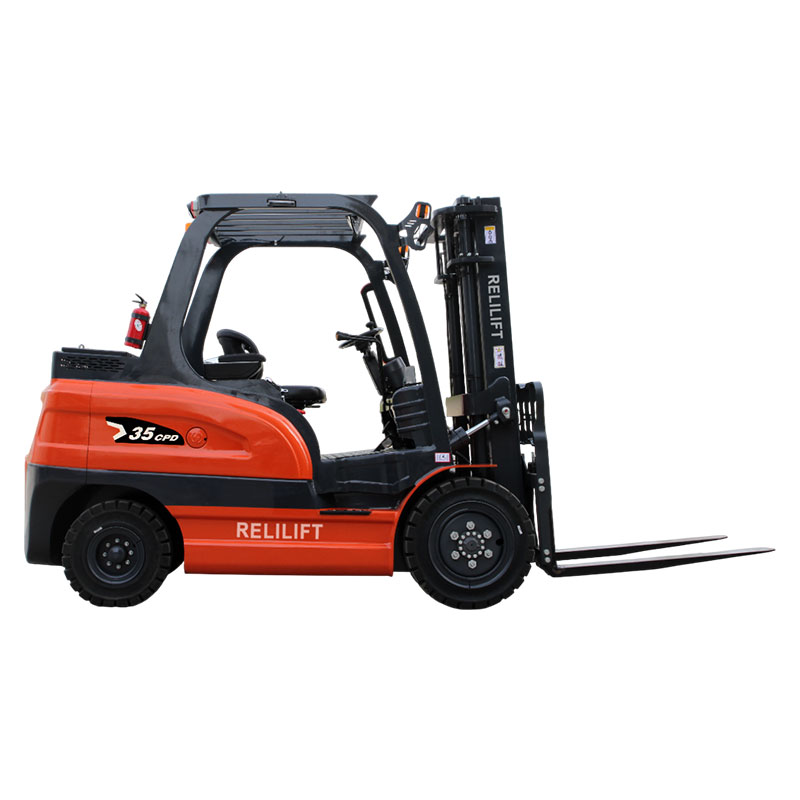
The industries that benefit most from electric forklifts usually handle materials indoors, near people or products, and on predictable routes with planned charging windows. Warehouses, manufacturing plants, food and beverage facilities, cold stores, retail distribution operations, pharmaceutical and electronics sites, and some high-throughput logistics yards are strong candidates. The fit still depends on the load, lift height, floor, temperature, shift pattern, and charging infrastructure. Buyers should evaluate the application before choosing a power source or truck class. RELILIFT’s electric forklift range provides several counterbalanced capacity classes that can be reviewed against those operating conditions.
Why Some Operations Gain More From Electric Power
The strongest use cases share three characteristics. First, the route favors equipment with no tailpipe exhaust at the point of use. Second, lower operating noise helps communication, product handling, or work near customers. Third, the operation can support charging without interrupting required throughput. Electric drive can also reduce routine engine-related service work, but the economic result depends on electricity, battery strategy, maintenance support, utilization, and downtime. An electric truck is therefore an operating-system decision, not simply a fuel substitution.
Industries That Benefit Most From Electric Forklifts
Warehousing and Distribution
Warehouses and distribution centers are the most established fit because many routes use smooth floors, repeatable pallet loads, defined aisles, and scheduled breaks. Electric counterbalance trucks can unload trailers, move pallets between staging zones, and place loads in racking. Reach trucks, stackers, and pallet trucks may suit narrower or lower-level work. The selection must account for right-angle stacking clearance, residual capacity at height, dock transitions, travel distance, and peak moves per hour. The existing warehouse selection guide explains how to translate those measurements into a truck specification.
Manufacturing and Automotive Plants
Manufacturing sites often move components from receiving to storage, production cells, and finished-goods staging. Electric forklifts can support this flow where indoor air quality, controlled acceleration, and communication around production lines matter. Automotive and machinery plants may also need high-capacity trucks, attachments, or longer travel routes. A buyer should verify the heaviest actual load, load center, floor joints, ramps, lift height, attachment weight, and space around people and fixed equipment. Charging must be scheduled around line demand rather than average daily use.
Food Beverage and Cold Storage
Food processing, beverage distribution, and refrigerated storage can benefit from equipment that creates no tailpipe exhaust at the work point. Cleanability, product-contact controls, condensation, low-temperature battery performance, corrosion exposure, and freezer-to-ambient transitions require separate verification. A standard indoor configuration should not be assumed suitable for washdown areas or extreme cold. The supplier should confirm compatible materials, electrical protection, lubricant choices, battery operating limits, charger location, and the expected duty cycle at the real temperature.
Retail Ecommerce and Consumer Goods
Retail replenishment and e-commerce fulfillment combine frequent moves with tight staging areas, mixed pedestrian traffic, and variable order peaks. Quiet operation can be useful near stores or occupied work zones, while compact dimensions help in constrained backrooms and aisles. The truck still needs a route-level review covering doorways, dock plates, turning space, rack geometry, and visibility. Where low-level movement dominates, a pallet truck or stacker may be more efficient than a counterbalanced forklift. RELILIFT’s retail and supermarket narrow-aisle solution illustrates how layout and workflow shape the equipment choice.
Pharmaceutical Electronics and Clean Production
Pharmaceutical, medical-device, electronics, and other controlled-production facilities often place a premium on clean indoor handling and predictable motion. Electric power can fit those priorities, but the truck is only one part of compliance. Tire compounds, static-control measures, materials, cleaning procedures, access restrictions, and site-specific safety rules may require a special configuration. Buyers should define the controlled area, contamination concerns, packaging method, load stability, required attachment, and any documentation the facility expects before requesting a quotation.
Paper Packaging and Recycling
Paper, packaging, and recycling operations may handle bulky rolls, baled material, or large unit loads. Electric forklifts can be viable when sufficient capacity, traction, and charging support are available, including for higher-load indoor work. These applications are attachment-sensitive. A clamp or other front-end attachment changes load center and residual capacity, so the supplier must calculate the complete configuration rather than rely on the truck’s nominal rating. Dust, debris, floor damage, and outdoor transfer points also affect suitability and service planning.
Logistics Terminals and Mixed Indoor Outdoor Routes
Cross-docks, freight terminals, ports, and yard-linked warehouses can use electric forklifts when the selected model is designed for the route. The evaluation should include rain exposure, drainage, surface roughness, gradients, ground clearance, tire choice, temperature, travel distance, and charging resilience. Indoor advantages do not automatically make every electric truck an outdoor truck. Mixed routes need written confirmation of environmental limits and a realistic energy model for the longest or most demanding shift.
Match the Industry to the Operating Conditions
Industry labels are useful for screening, but operating conditions decide the final fit. Two warehouses can require different equipment if one runs a single shift on smooth floors and the other operates around the clock across docks and yards. Build the specification from the maximum load and dimensions, lift height, load center, attachment, aisle and turning measurements, surface condition, gradients, temperature, exposure, productive hours, peak cycles, charging windows, and local service access.
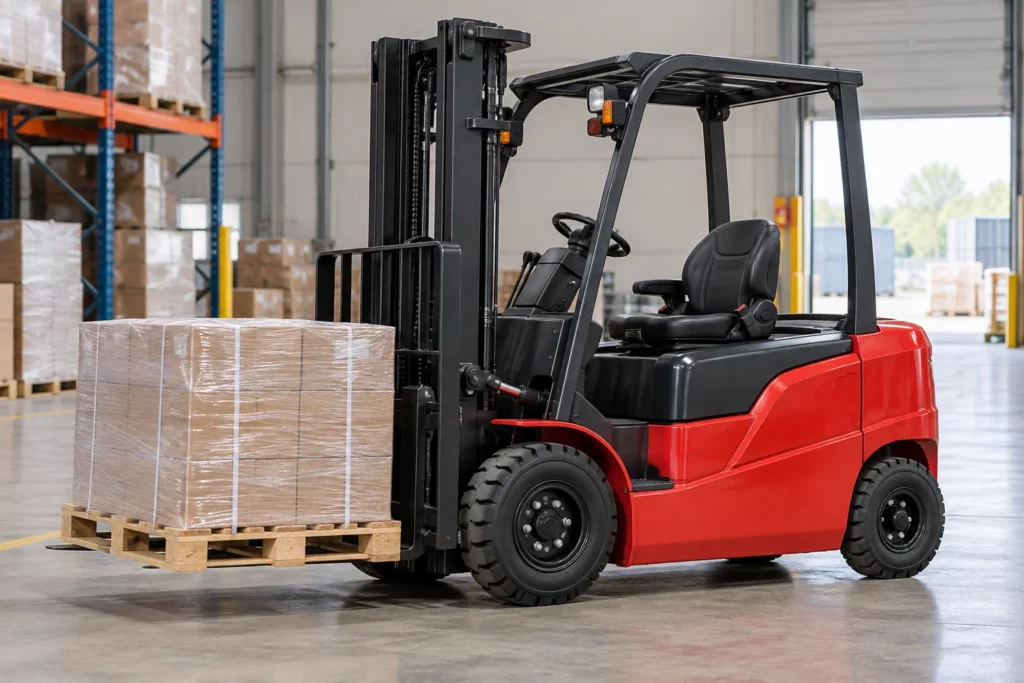
The battery and charger must be sized as a system. Confirm usable energy under the planned load profile, charging time, electrical supply, heat management, operating rules, and replacement availability. Multi-shift sites should test whether break-time charging or another fleet plan protects throughput. Cold storage and high-capacity work deserve conservative assumptions and written verification.
When Another Equipment Type May Be Better
An electric counterbalance forklift is not automatically the right answer for every material move. A reach truck may use high-density racking more effectively. An electric stacker can be economical for short, low-level moves. A pallet truck may be sufficient when loads remain at floor level. Rough outdoor terrain, unusually long travel, extreme exposure, or limited charging capacity may point to another configuration or power strategy. Use this electric stacker and forklift comparison to separate these work profiles before comparing models.
Procurement Questions That Prevent a Poor Fit
- What is the heaviest real load, including pallet or attachment, and at what height must it be placed?
- Can the proposed truck turn, stack, pass through doors, and cross docks with practical clearance?
- Will the battery and charger cover the busiest shift under actual temperature and load conditions?
- Which environmental limits, tire options, inspections, service intervals, and spare parts apply to the configuration?
- What application data supports the supplier’s capacity, runtime, and charging assumptions?
Conclusion
Warehousing, manufacturing, food and beverage, cold storage, retail fulfillment, controlled production, packaging, and selected logistics operations often benefit most from electric forklifts. The common advantage is a controlled material-handling environment where indoor operation, noise, predictable routes, and charging can be managed. The correct decision comes from matching the full route and duty cycle to a verified truck configuration, not from the industry name alone.
Frequently Asked Questions
Are electric forklifts only suitable for indoor use
No. Some models can support mixed indoor and outdoor routes, but rain exposure, surface condition, traction, temperature, ground clearance, and the manufacturer’s operating limits must be checked for the exact configuration.
Can electric forklifts work in cold storage
They may, provided the battery, electrical system, materials, lubricants, and operating procedures are suitable for the target temperature and condensation cycle. Confirm the written limits with the supplier.
What information should a buyer provide before selecting a model
Provide load weight and dimensions, load center, lift height, attachment needs, aisle and doorway measurements, floor and ramp conditions, temperature, exposure, shift hours, peak workload, and available charging windows.
For a configuration review, request an application review from RELILIFT with your load data, lift height, route measurements, operating environment, shift pattern, charging window, attachment needs, and required quantity.


 Related





Excellent Service Each and Every Time